Location: Lottano, Lombardy, Italian Alps
Year: 2024
Architecture: Emanuele Scaramellini
Photography: Marcello Mariana
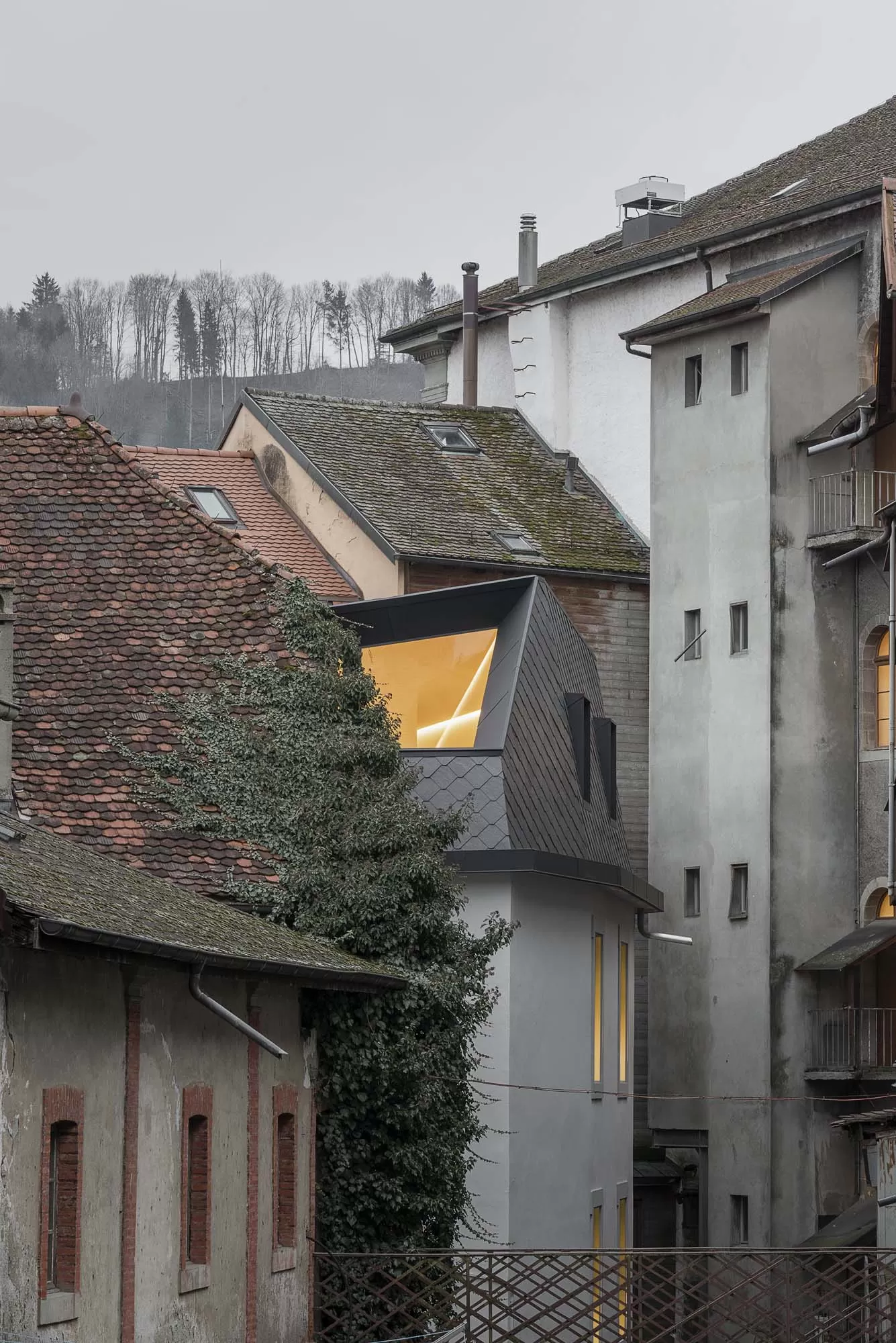
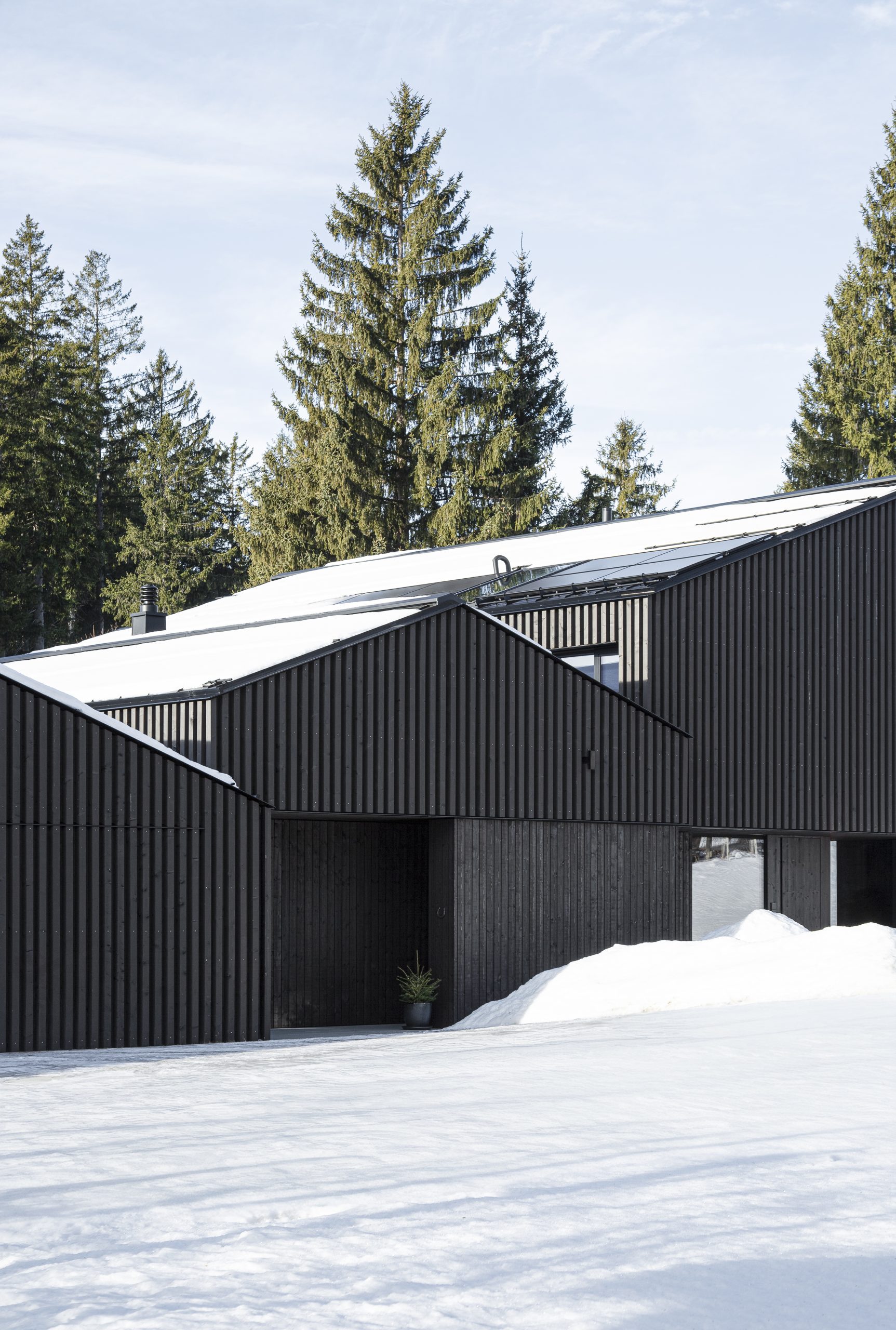
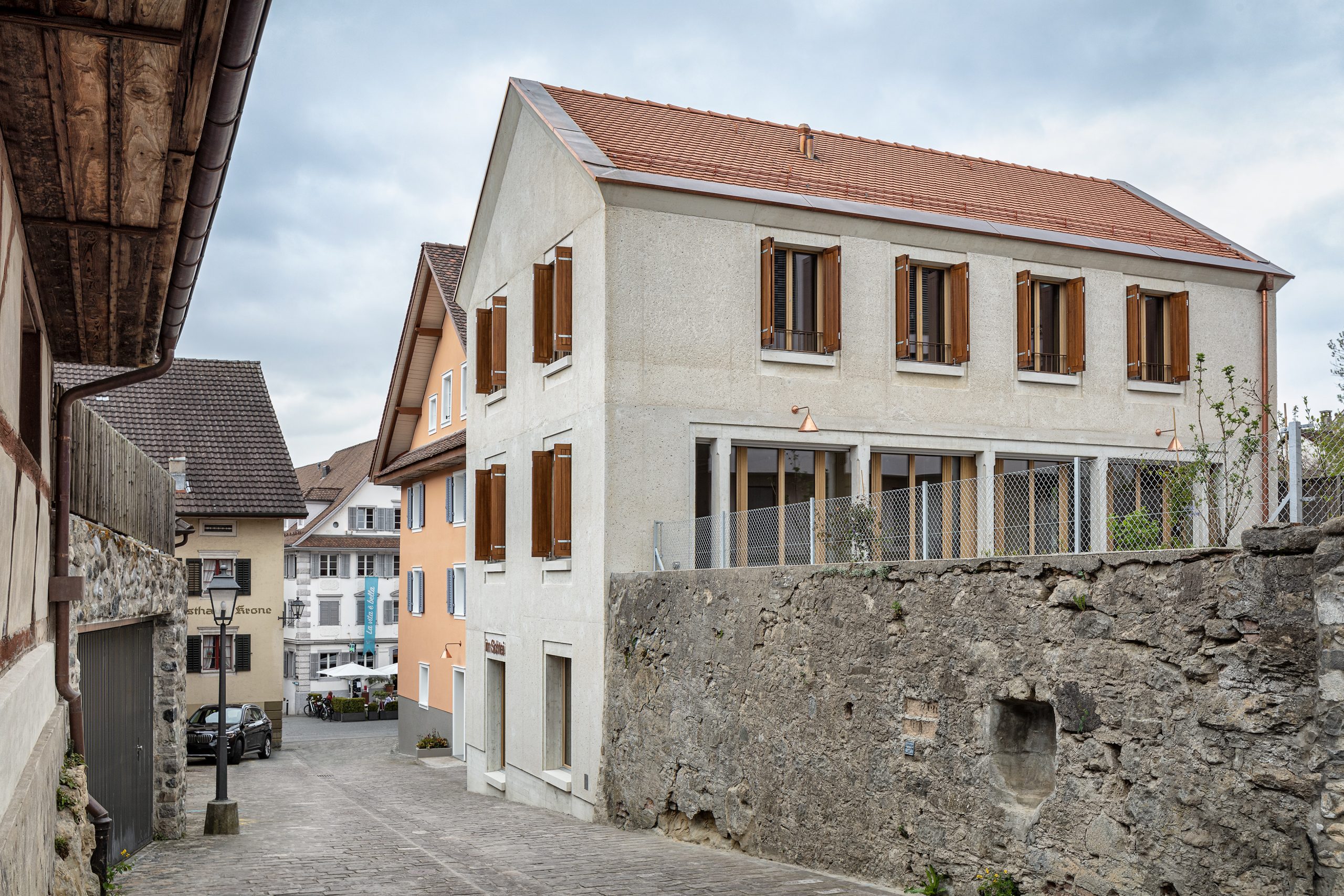
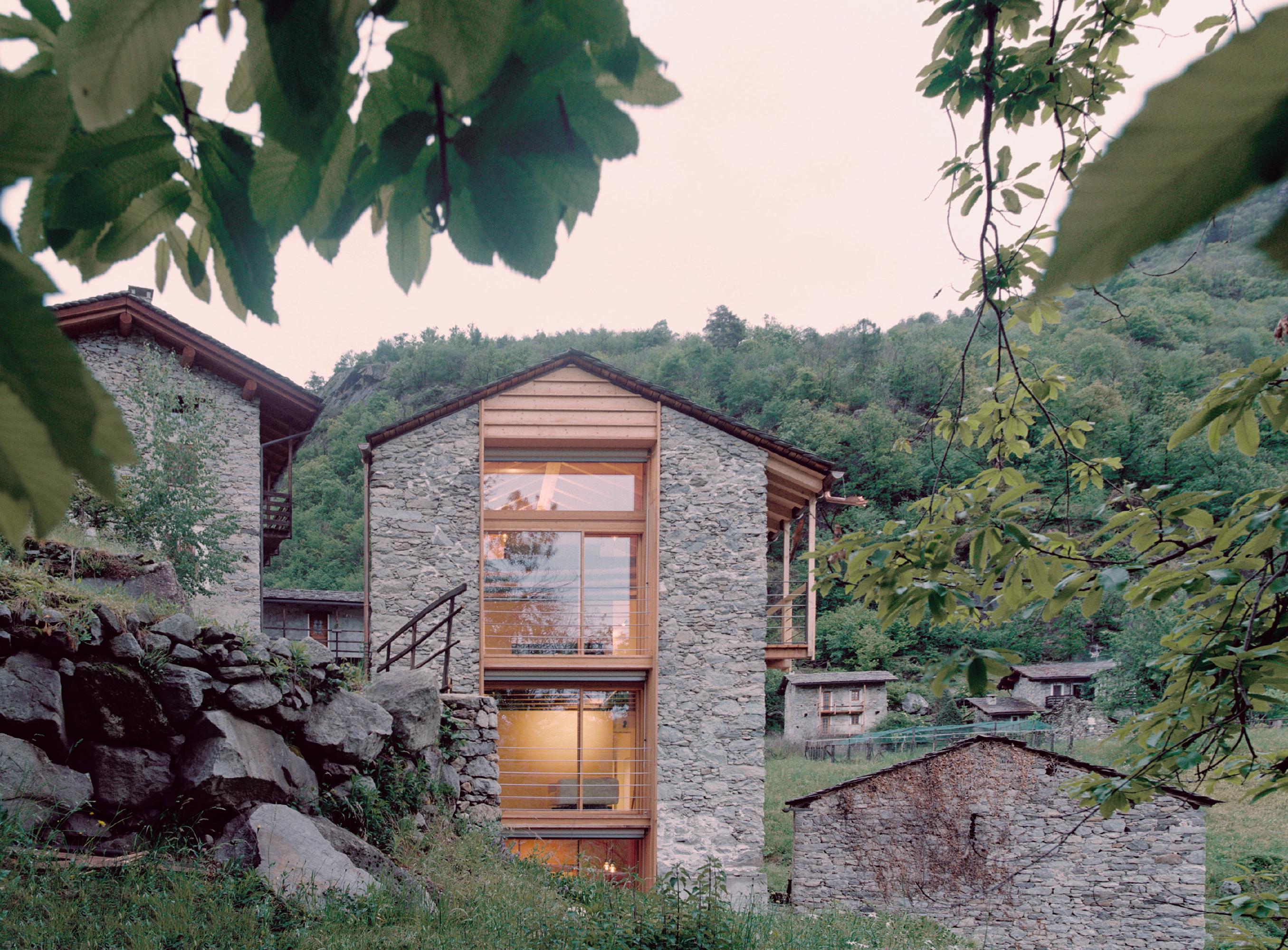
Located in the small hamlet of Lottano, within the mountainous mid-coast region surrounding Chiavenna, the House in Lottano is a project that redefines the relationship between historic Alpine villages and modern habitation. This intervention carefully balances respect for the existing rustic structure with a contemporary architectural language, ensuring continuity with both the traditional built environment and the natural landscape. The original stone perimeter walls remain intact, preserving their structural integrity and historical essence, while a metal framework replaces the deteriorated wooden beams, reinforcing the house without compromising its authenticity.


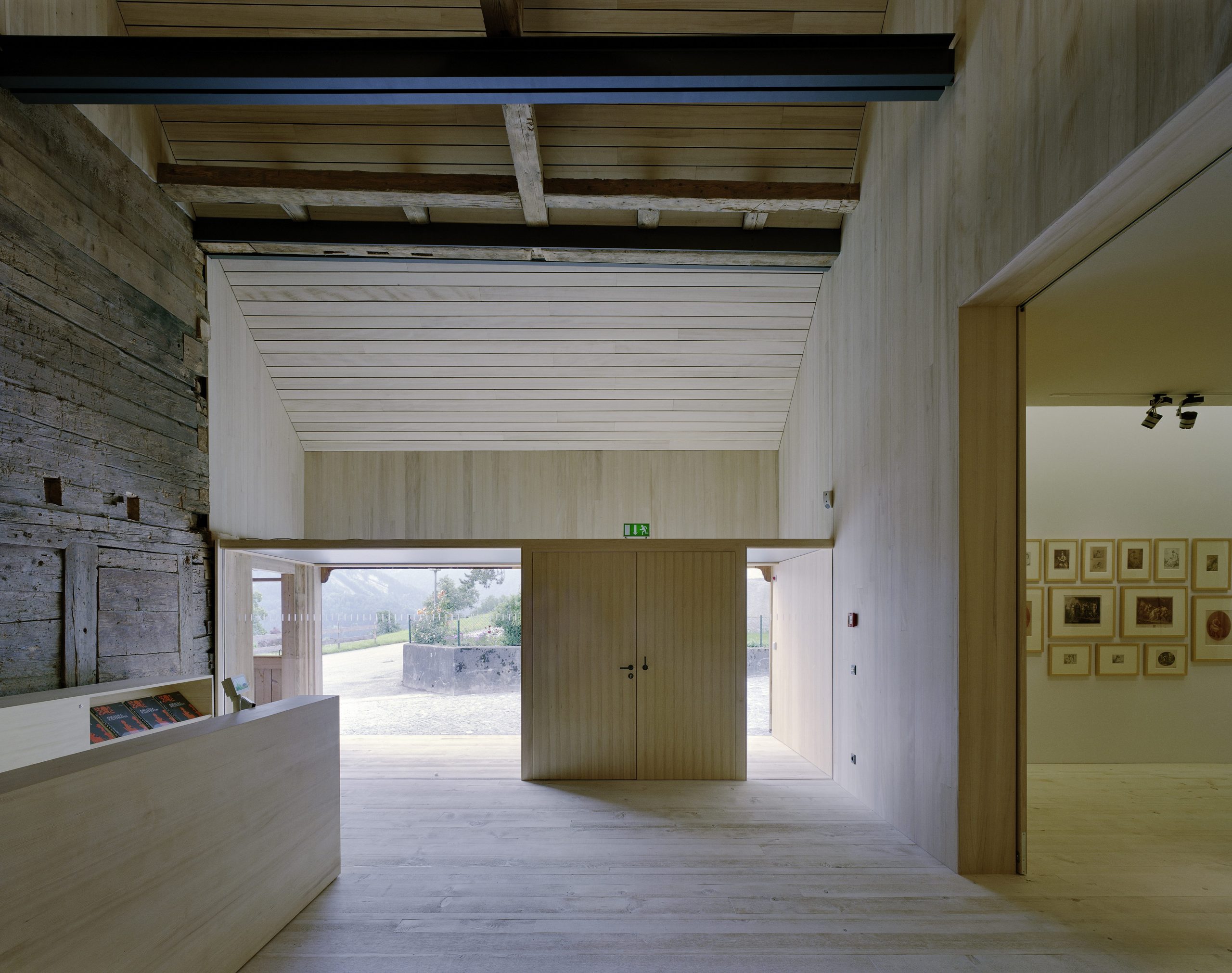
A striking contrast emerges between the preserved stone volume and the new wooden addition that replaces a collapsed extension. The wooden structure mirrors the original dimensions yet asserts its modernity through materiality and construction techniques. The most distinctive feature of the project is a dramatic floor-to-ceiling window that slices through the south façade, a response to an existing fissure that once fractured the wall. This glass expanse heightens the building’s connection to its surroundings, allowing light to flood the interior and framing uninterrupted views of the forested landscape. The textural interplay of wood and stone is meticulously designed, with wooden planks and lamellas arranged to echo the masonry, ensuring a seamless yet clearly contemporary dialogue between old and new.


Material honesty is a guiding principle throughout the renovation, following Boito’s theory of restoration, where new elements do not mask their modernity but instead complement the original structure. Iron components thread through the house, defining both structural and functional elements, from beams to furnishings, reinforcing the clarity of each design choice. A monochromatic palette of black unifies the interiors, creating a timeless aesthetic free from transient trends. The vertical layout organizes each level with a singular purpose: a ground-floor kitchen opening to the courtyard, a first-floor living space acting as a transitional hub, and a top-level bedroom with a mezzanine offering an intimate retreat. Every furniture piece is custom-designed, emphasizing essentiality and enhancing spatial harmony. This restoration transcends mere preservation, crafting an architecture that dialogues with its past while embracing the present with conviction.
Project Gallery