Location: Baar, Zug, Swiss Alps
Year: 2024
Architecture: Seiler Linhart
Photography: Rasmus Norlander
A rural context at the edge of Baar
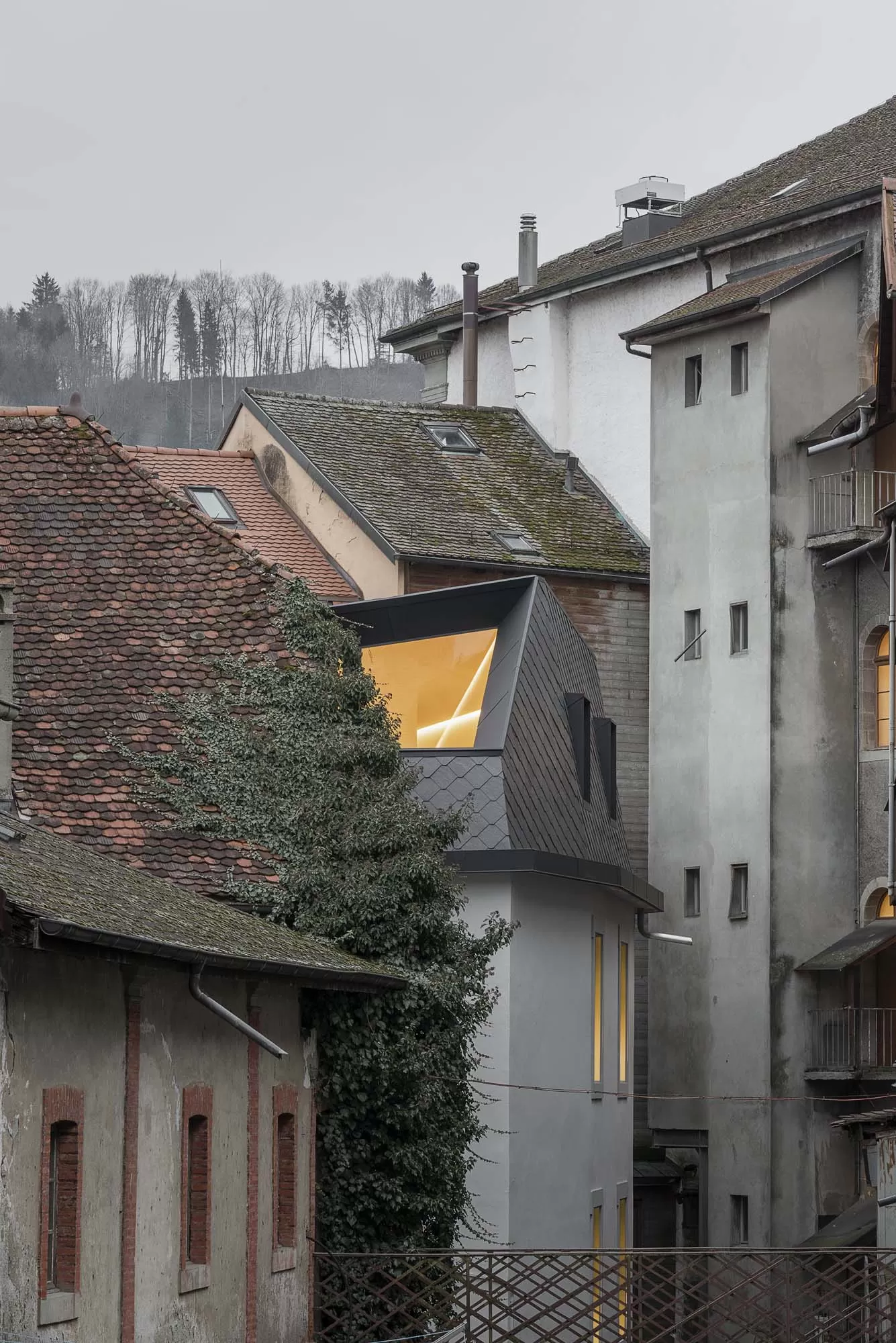
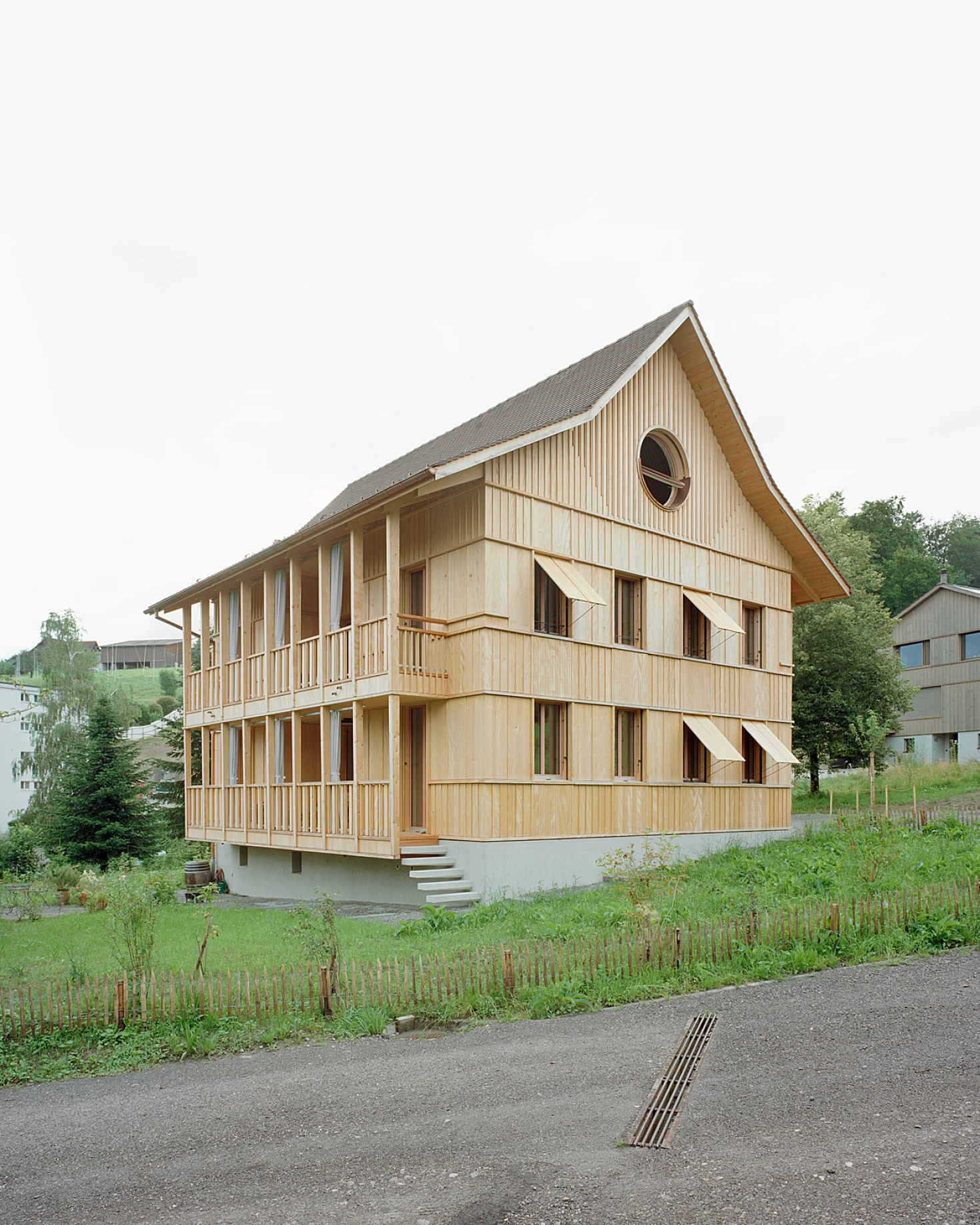
Set on the south-eastern fringe of the municipality of Baar in the Inwil district, Haus Talacher stands within a pre-Alpine agricultural zone defined by meadows, woodlands, and small waterways. The building replaces an older structure while respecting the scattered farmsteads and traditional agricultural rhythm of the landscape. Its positioning responds to the logic of its surroundings—where farm buildings are loosely arranged rather than densely planned—typical of central Switzerland.

Referencing the regional farmhouse typology
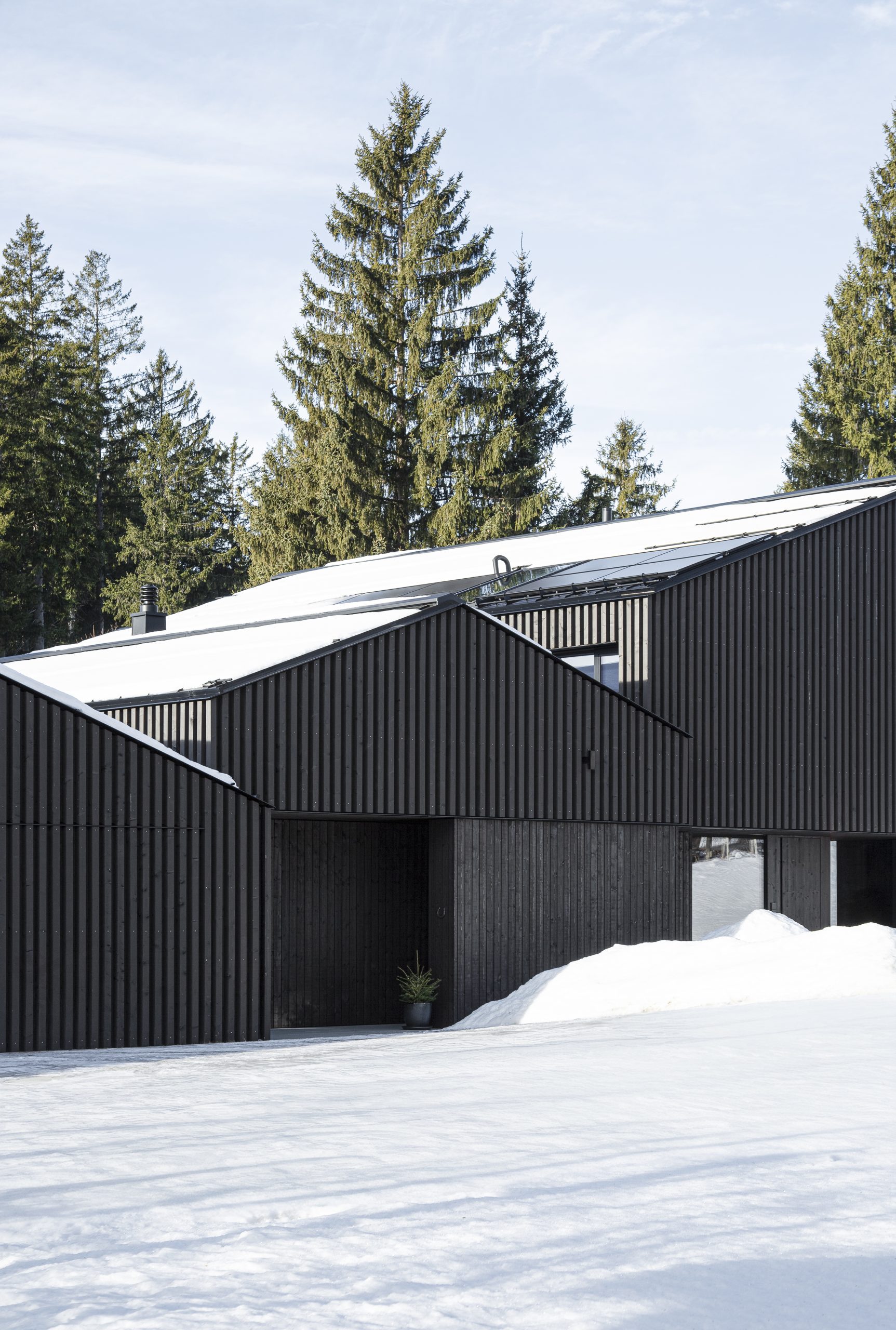
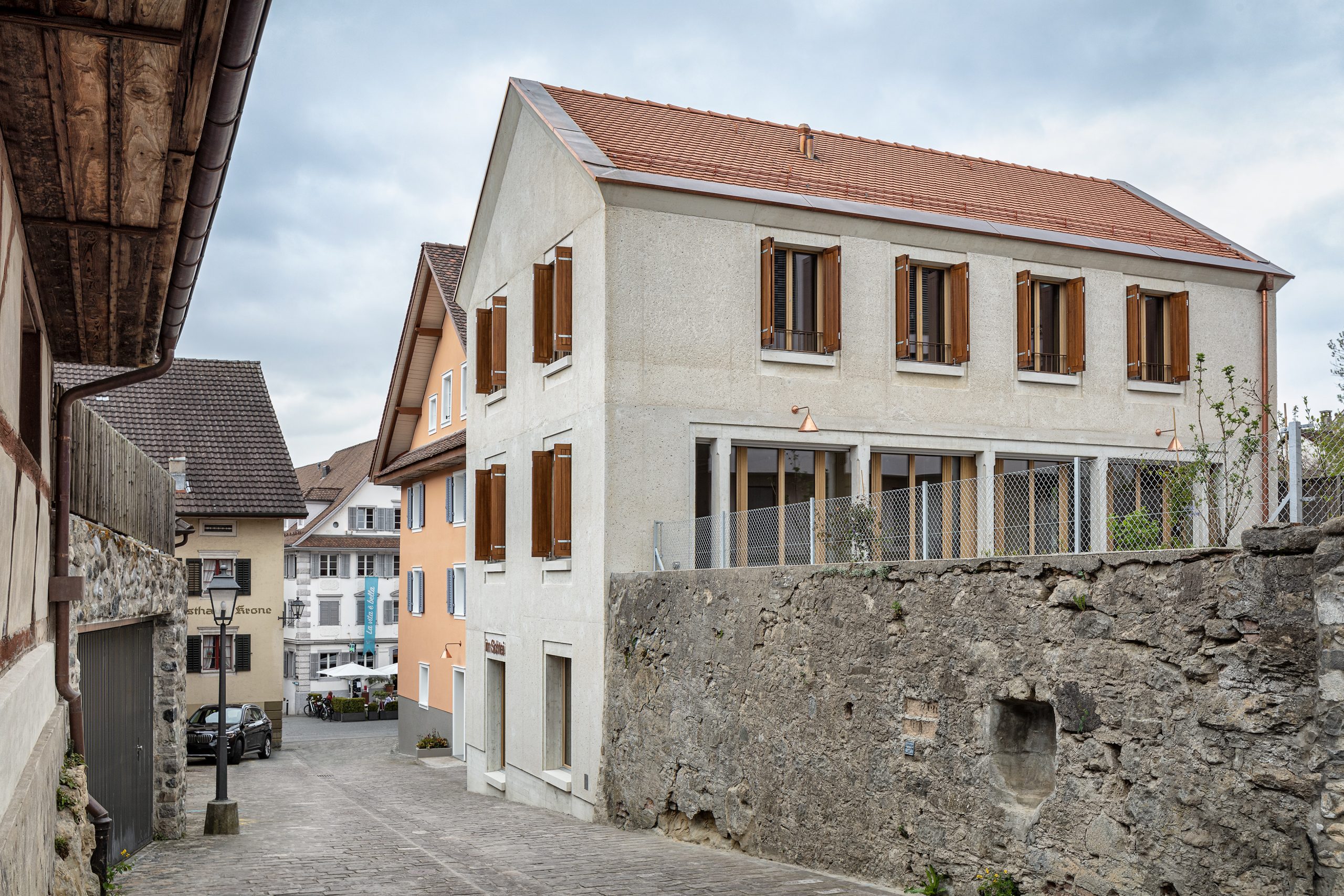
The two-storey timber building reinterprets local vernacular traditions, borrowing features such as side arbours, external staircases, solid base levels, and ornamented facades. Its form and materiality evoke the classic farmhouse archetype found throughout the region, but with a refined architectural clarity. The house also maintains a visual and spatial dialogue with its adjacent courtyard, outbuildings, and garden, strengthening its relationship with the rural site.


Raw timber construction without additives
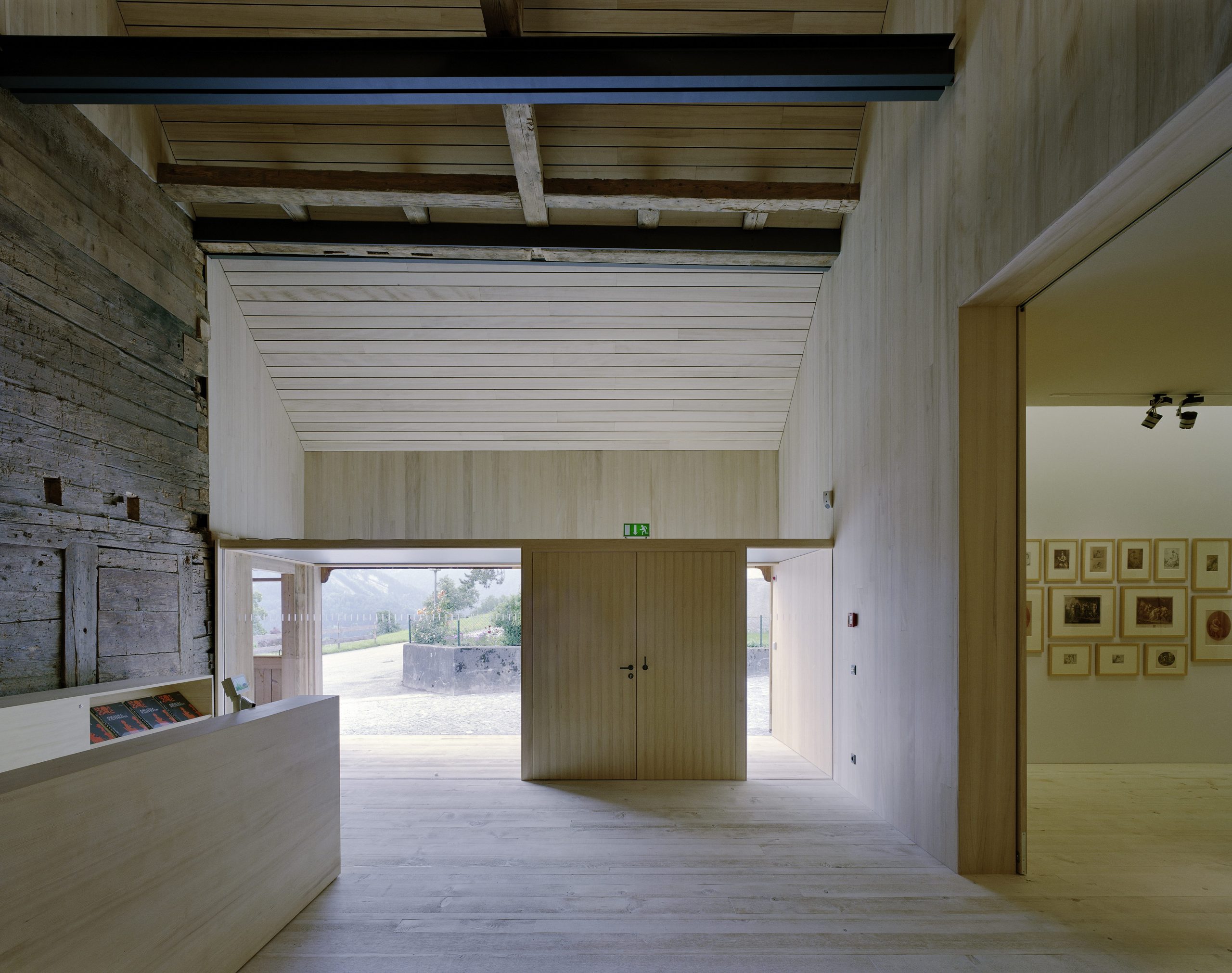
The structure is made entirely of untreated spruce wood elements, avoiding synthetic materials and construction additives. Walls, ceilings, and the roof were all prefabricated from solid wood planks without adhesives, insulation, or sealing, showcasing a deliberate return to simple, honest building methods. The result is a contemporary evolution of traditional timber knitting techniques, supported by current advances in prefabrication and wood engineering.

Simple interiors with a focus on craftsmanship
The upper levels accommodate two compact apartments and a music room, all finished with natural materials like lime plaster, regional stone, and poured flooring. The architectural expression is minimal and direct, highlighting regional craftsmanship and material honesty. Haus Talacher contributes to sustainable building culture through its respectful site integration, efficient resource use, and promotion of biodiversity, while also offering a modest yet meaningful residential experience.
Project Gallery