A Return to the Alpine Edge
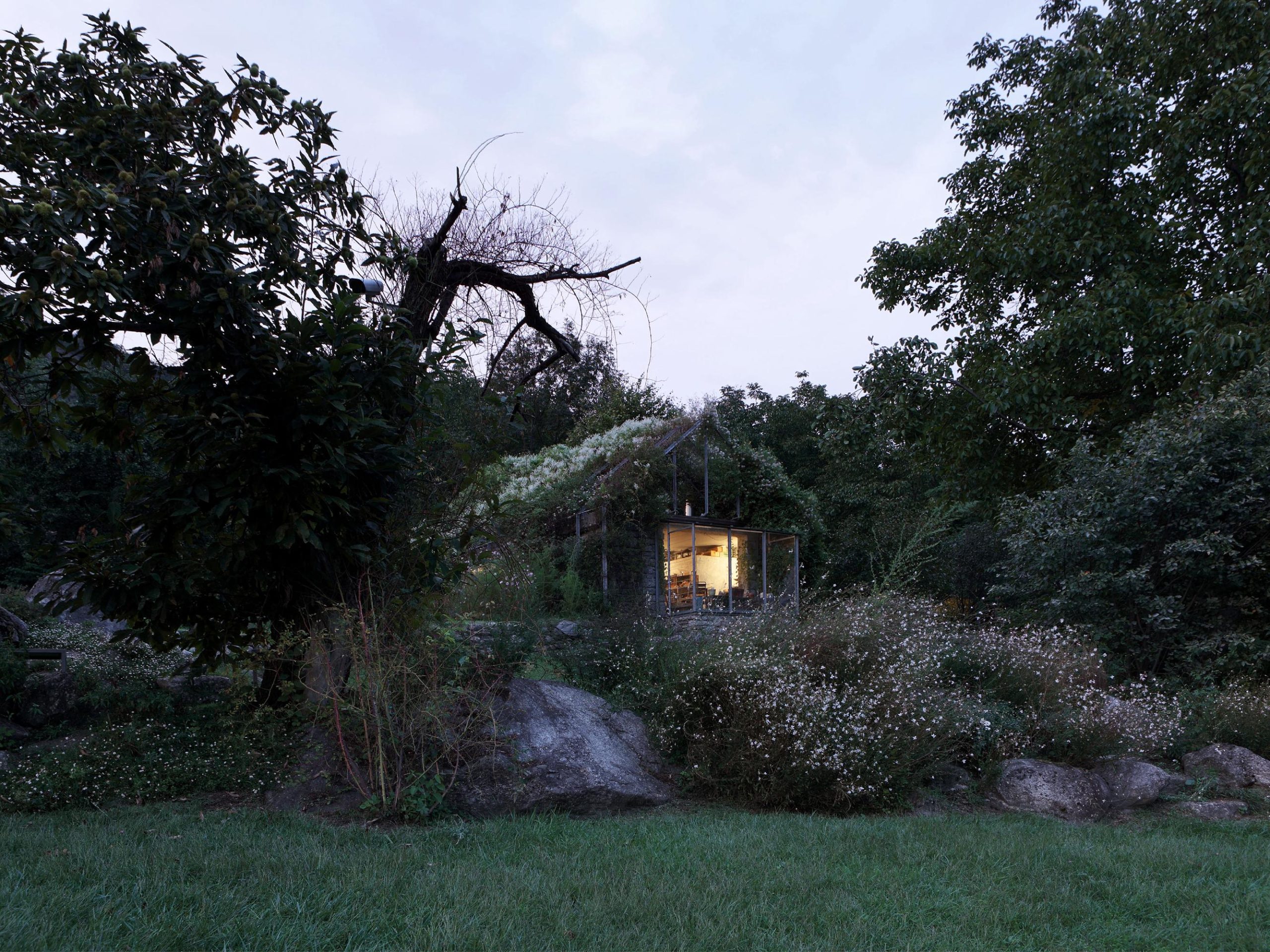
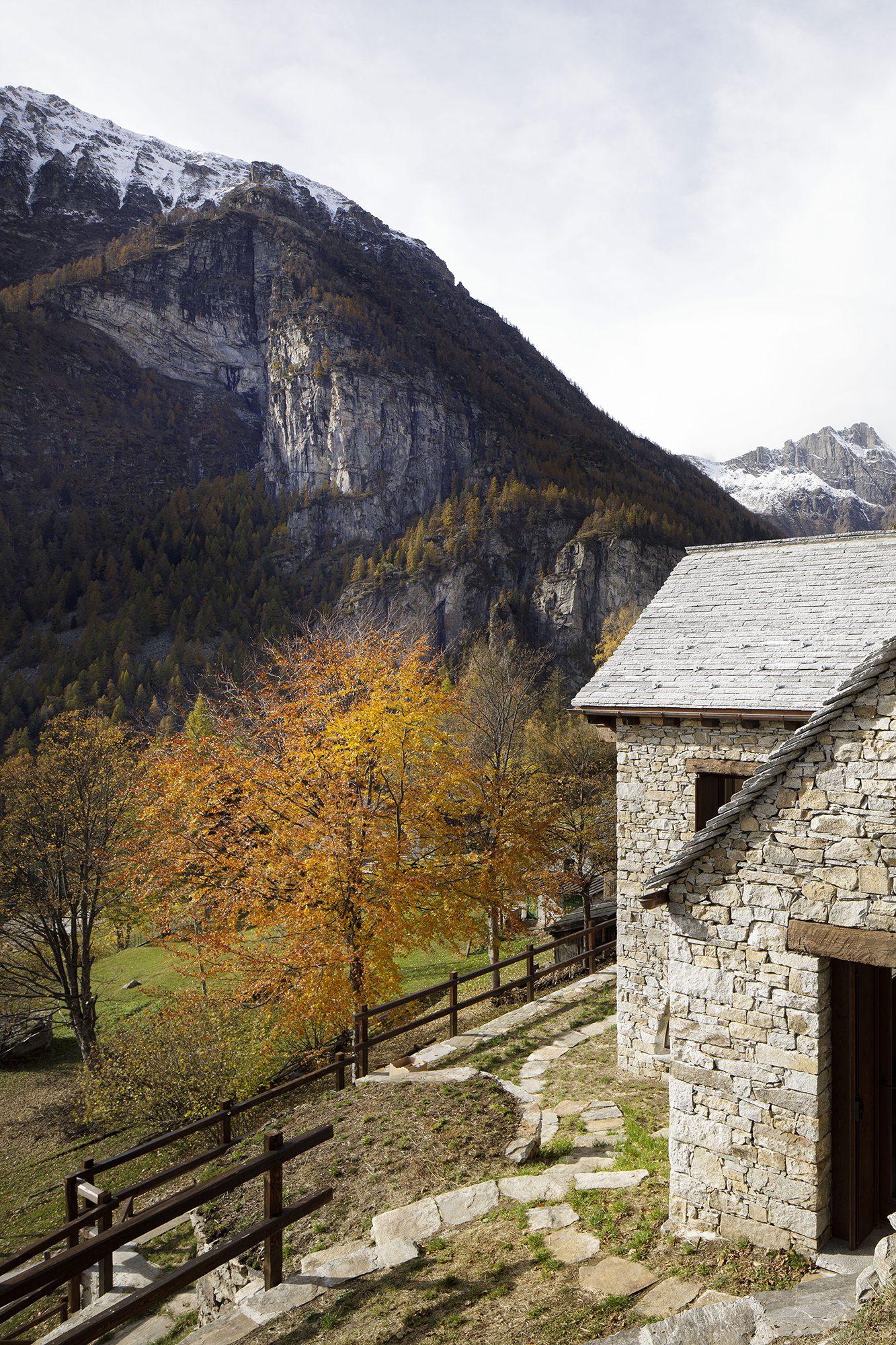
In the remote Valle Divedro, at 1,400 metres above sea level, The House Cinsc revives a forgotten agricultural dwelling on a ridge in the northern Piedmontese Alps. Far from the circuits of mass tourism, this high-altitude hamlet reflects a landscape where meadows and cultivated land have quietly reverted to forest. Here, ATOMAA engages with the slow rhythms of a place once shaped by subsistence, now defined by its resilience and raw beauty. This project doesn’t just preserve a ruin, it reanimates the cultural heritage of the Alps through respectful adaptation and contemporary clarity.


Unearthing the Past to Build the Future
Initial inspections revealed more than just structural remains. A stone arch, an ancient fireplace, and a rare Tholos hinted at a layered past: a house-turned-stable-turned-ruin. These elements inspired a process of architectural archaeology. The existing volume was consolidated and extended, guided by a design that maintains the old silhouette while subtly enriching it. A new body grows from the original, introducing spaces for living and gathering while orienting fully toward the mountain landscape. In the centre of the house, a double-height kitchen becomes the beating heart of domestic life.


Layered Materials, Layered Meanings
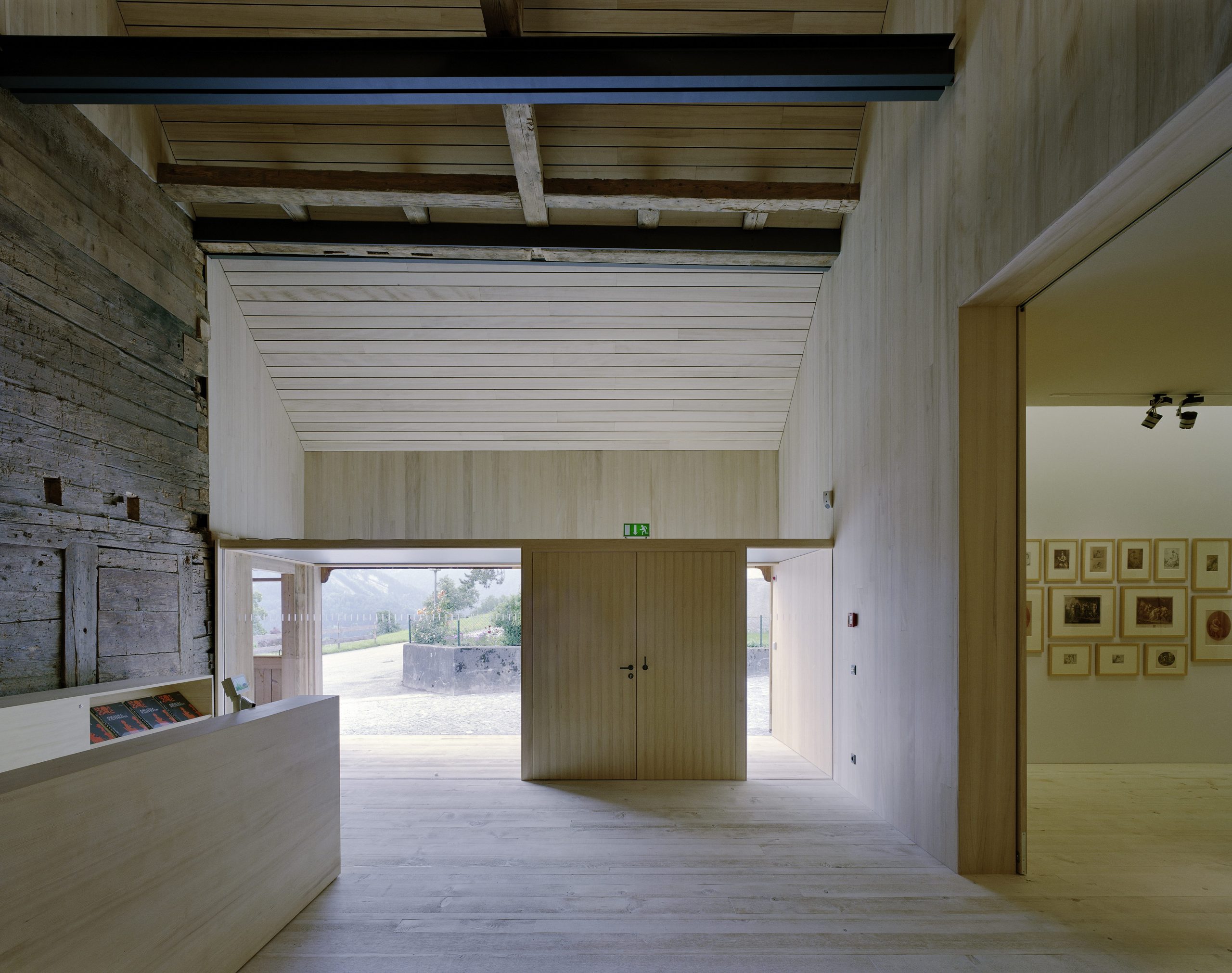
In a context long defined by stone, the interior offers a radical counterpoint. Walls, floors, ceilings, and furnishings are rendered in warm wood—birch plywood and black-stained larch—creating an intimate domestic core inside the hard outer shell. This “space within space” approach preserves the exterior’s historical continuity while offering a fresh, tactile experience within. The juxtaposition of stone, timber, and occasional raw concrete fosters a quiet tension between permanence and adaptation. Each room opens toward the landscape through new and restored apertures, blending archetype and abstraction.


Architecture as Regeneration
The project embraces total material reuse. Stones from collapsed walls form new ones, disused roof tiles become paving, and old beams return as window lintels. Terraces and retaining walls use excavated rock, reinforcing a deep connection between construction and place. Every gesture reflects local knowledge, passed on by skilled artisans who still practise traditional methods. Rather than an isolated restoration, Casa Cinsc becomes a prototype—an Alpine architecture that respects the past while pointing to sustainable futures rooted in the existing built environment.

A Quiet Dialogue with the Landscape
Upon entering, visitors encounter a vestibule and living room framed by minimal lines and framed views. The space is calm, rigorous, and spatially rich, defined by a palette of essential materials and crafted proportions. The central kitchen—bathed in light from a fully glazed gable—anchors daily life and evokes continuity with the rural archetype. Beyond the walls, the project speaks to a broader vision: architecture as an act of care, where building and land co-exist. Casa Cinsc offers a vision for the Alps not as a postcard, but as a place to live, adapt, and regenerate in balance with its surroundings.
Project Gallery