Location: Brissago, Ticino, Swiss Alps
Year: 2023
Architecture: Wespi de Meuron Romeo
Photography: Giacomo Albo
Restoring character in Brissago Piodina
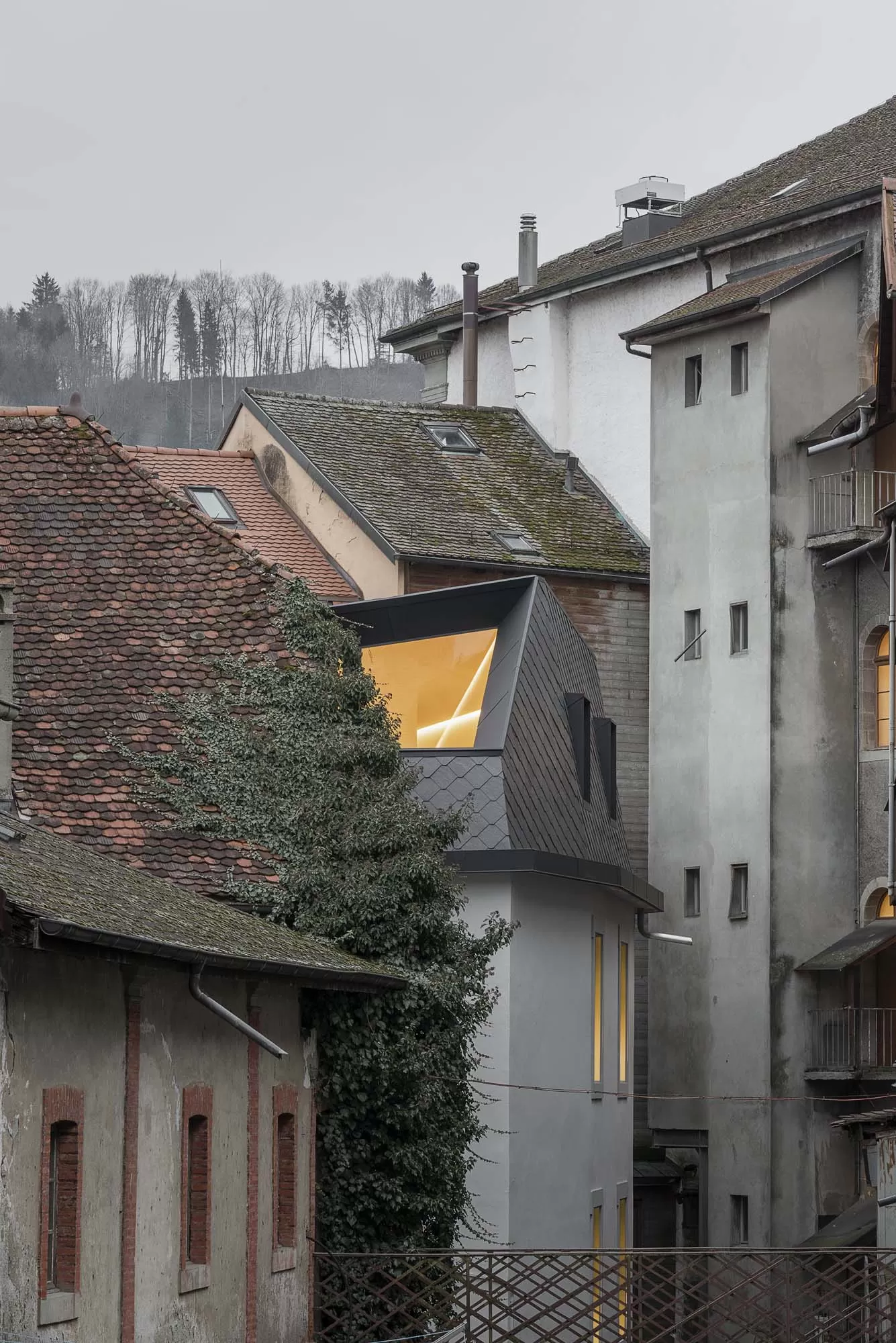
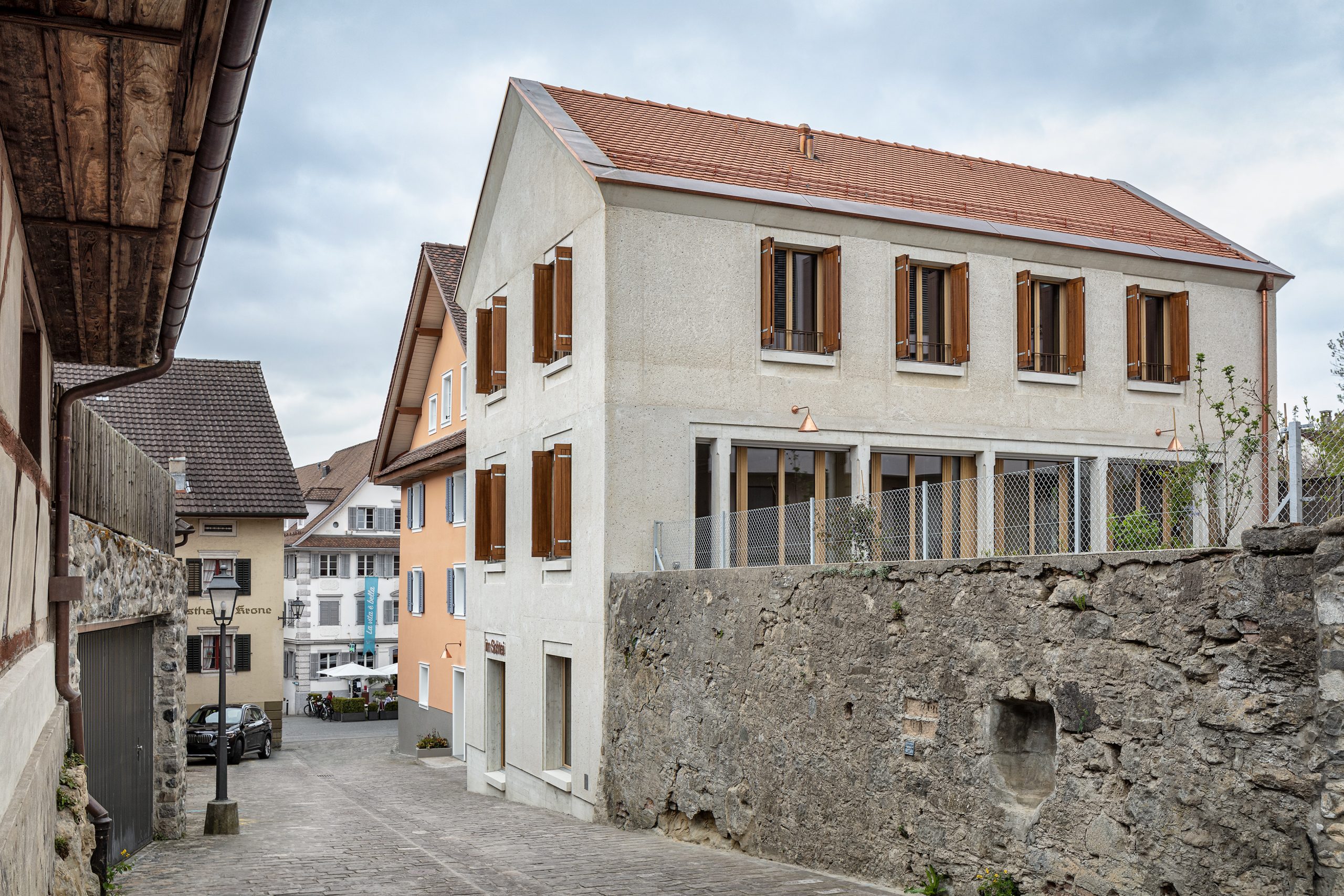
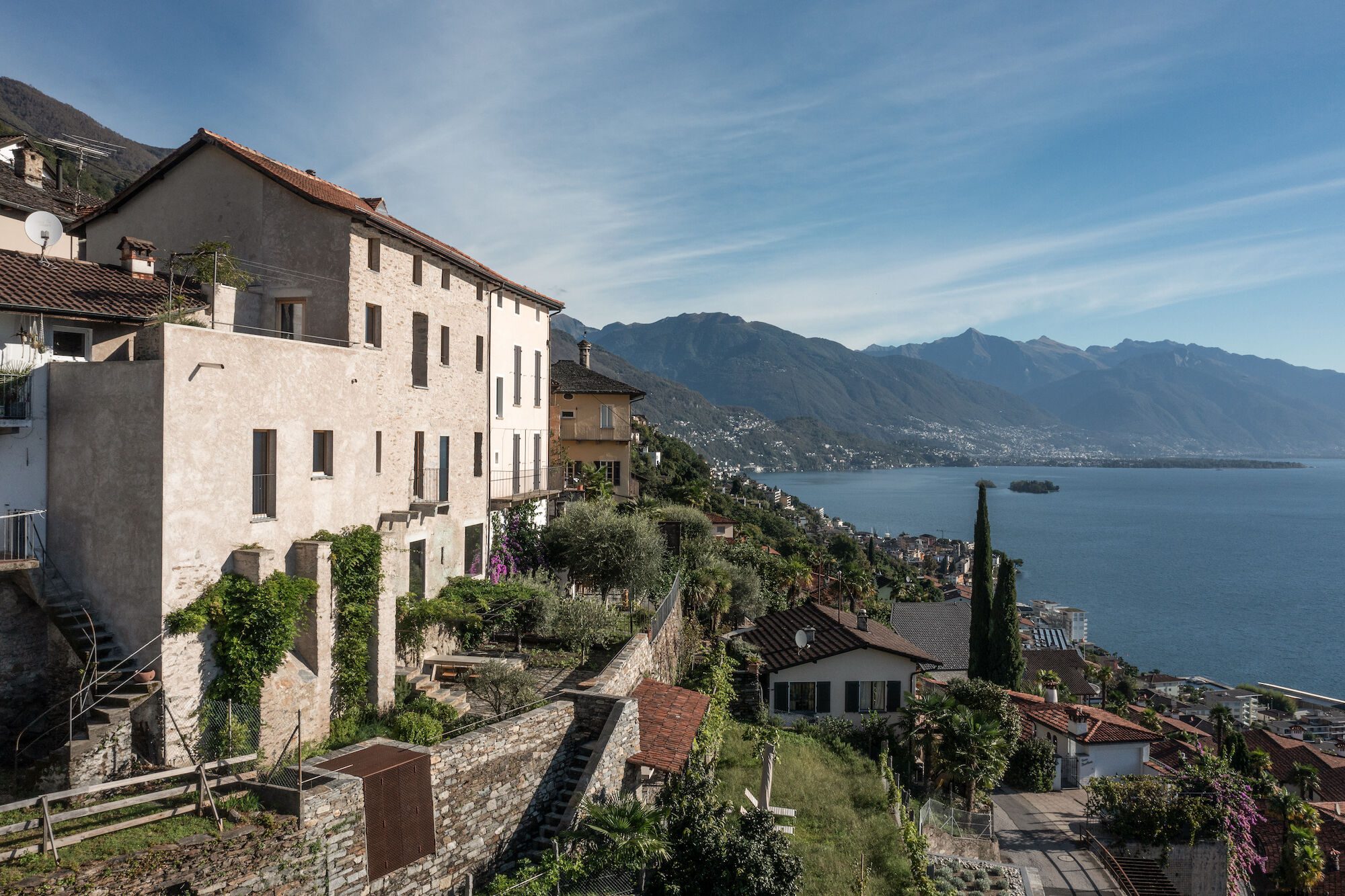
In the hillside village of Brissago Piodina, Wespi de Meuron Romeo Architects have reimagined a historic vineyard house overlooking Lake Maggiore. Positioned between the village footpath and a road-accessible garage above, the building’s layered history is evident in its cellar and roof truss—remnants of its original charm. The renovation carefully reverses unsympathetic alterations made over time, reviving the architectural clarity of the structure while aligning it with contemporary needs.
A garden-level transformation
The heart of the home has been shifted to the basement level, where the living, dining, and kitchen areas now open directly onto the garden. This reorganization allowed the removal of a dominant terrace and improved the building’s integration with its immediate surroundings. New openings at this level, two of which correspond to likely historical placements, enhance daylight and views without disrupting the structure’s authenticity. The result is a renewed relationship between the interior and the Alpine landscape.


Connecting levels through light and structure
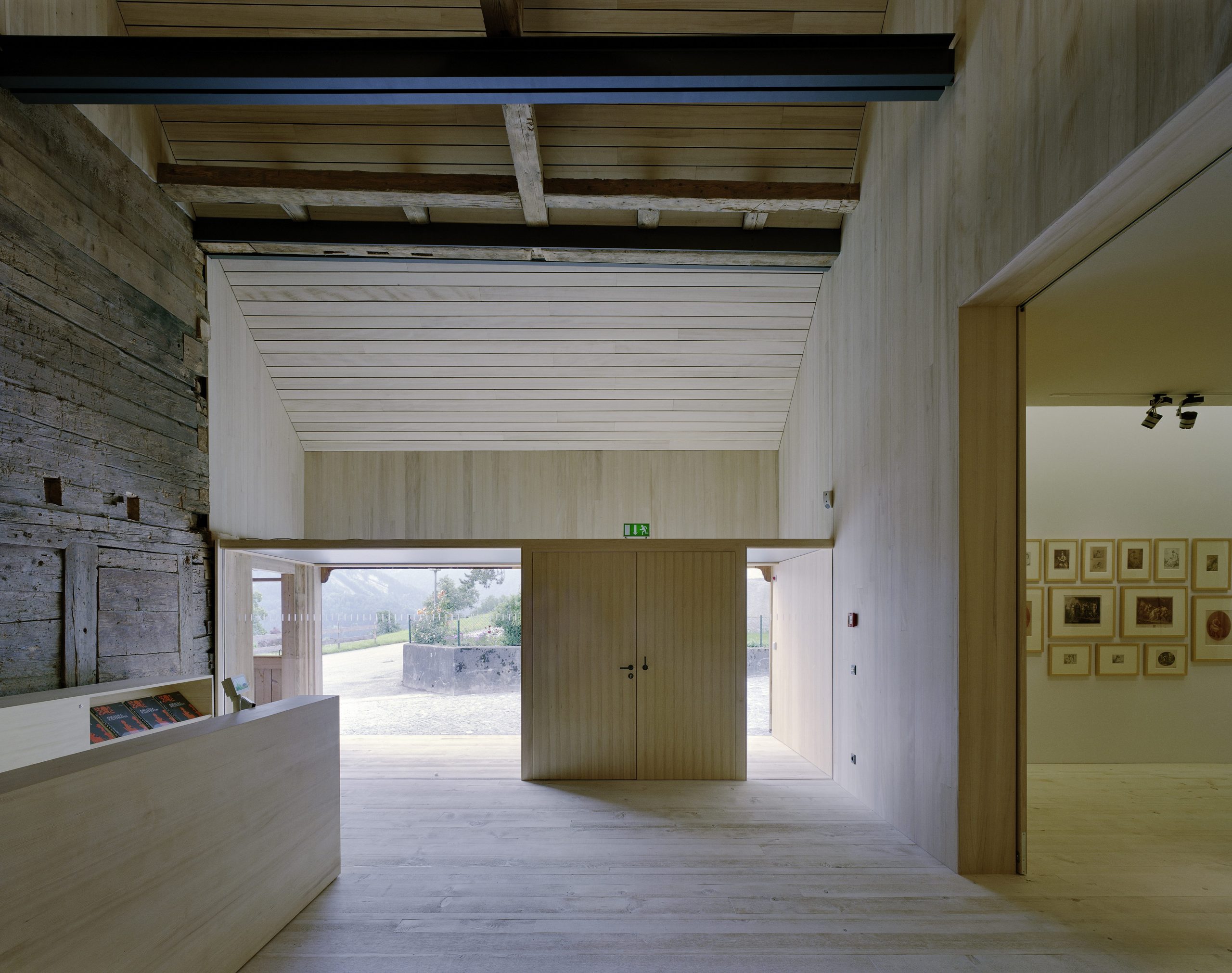
A double-height space at the center of the house visually links the basement to the floors above, drawing in natural light and creating a sense of openness. In the bathroom and stairwell, a horizontal glass panel replaces the ceiling to reveal the timber roof truss—previously hidden but now celebrated. Window openings on the upper floor were mostly preserved, maintaining the rhythm of the original facade while improving transparency and flow throughout the house.


Merging tradition with contemporary standards
To expose the home’s original stonework, layers of non-original plaster were stripped from both exterior and interior walls. Selective re-plastering follows local tradition, tying the renovation to the material language of the village. New construction elements—including windows, flooring, and insulation—meet current energy and accessibility requirements. A discreet concrete ceiling in the basement supports a lift system, demonstrating how thoughtful design can harmonize heritage with modern living.
Project Gallery