Location: Dornbirn, Vorarlberg, Austria
Year: 2024
Architecture: Groefler Schwarz
Photography: David Schreyer
Urban densification through thoughtful design
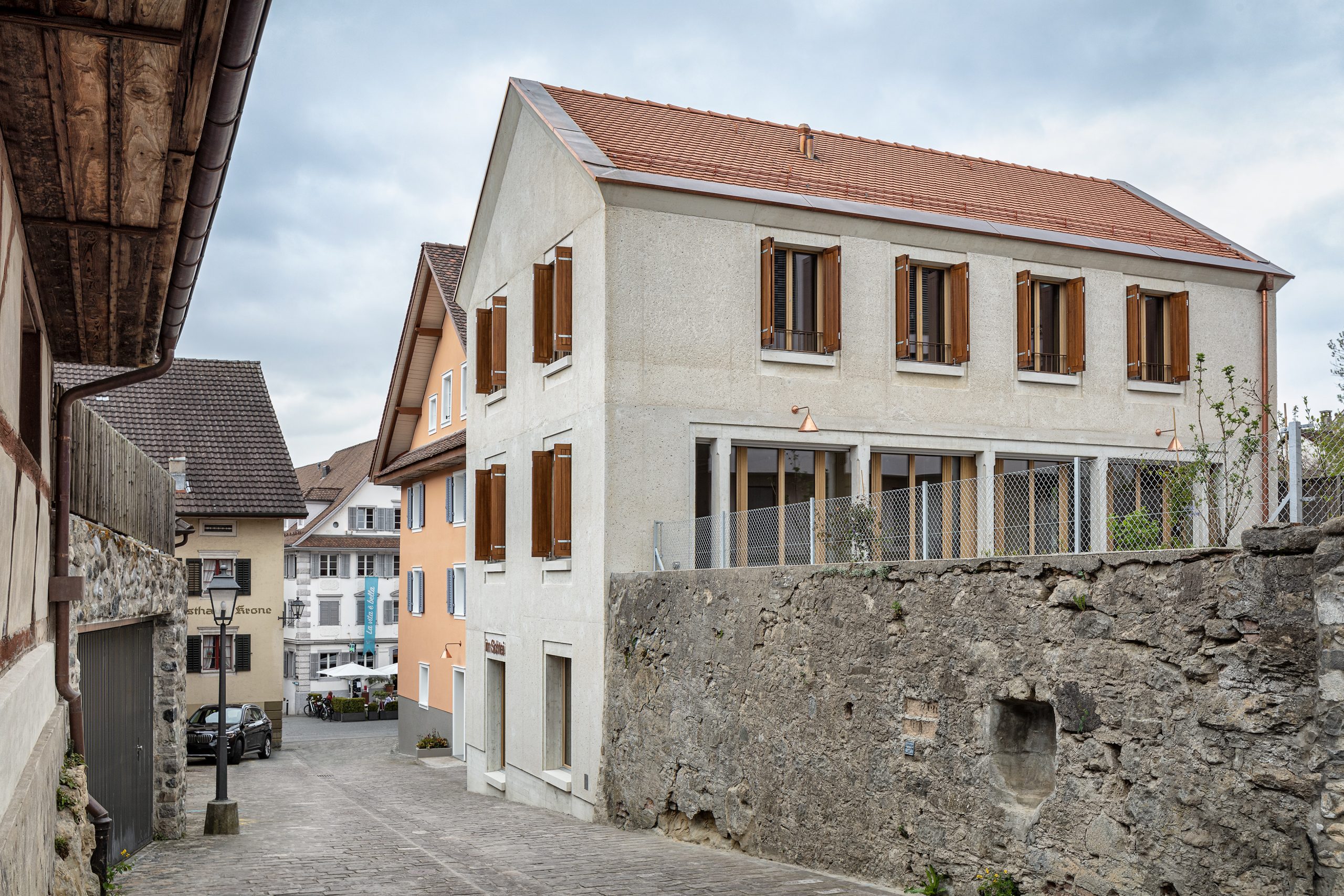
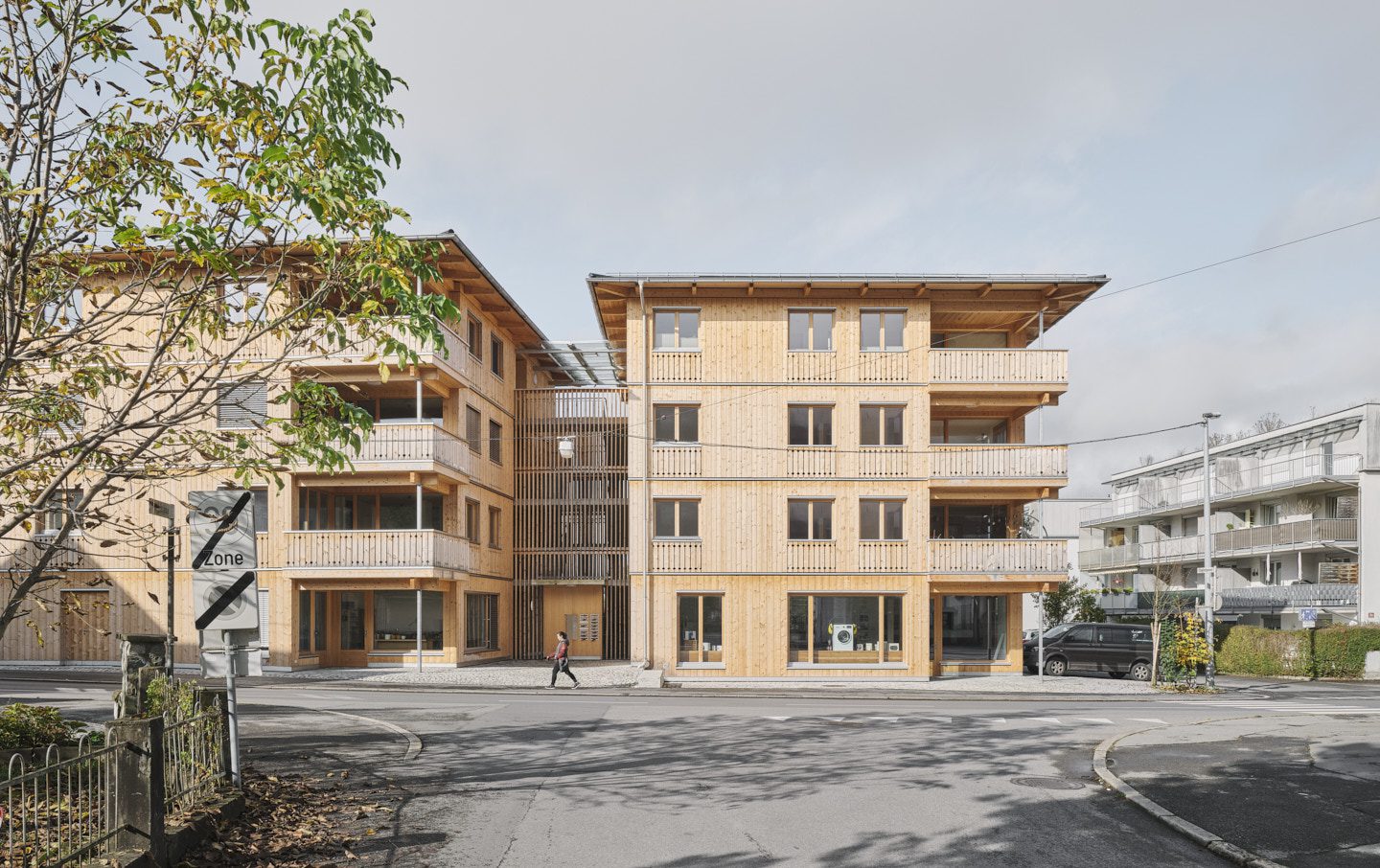
Located near the centre of Dornbirn, Vorarlberg, the Residential Buildings Eisengasse redefine inner-city living by merging two plots into a cohesive urban composition. The development sits on a 1,200 m² site formerly occupied by a parking lot and a deteriorating two-family house. Surrounded by redeveloped industrial grounds now hosting cultural and sports facilities, the project aligns with the area’s evolving urban identity, contributing to a denser and more vibrant neighbourhood fabric.


Two volumes in dialogue
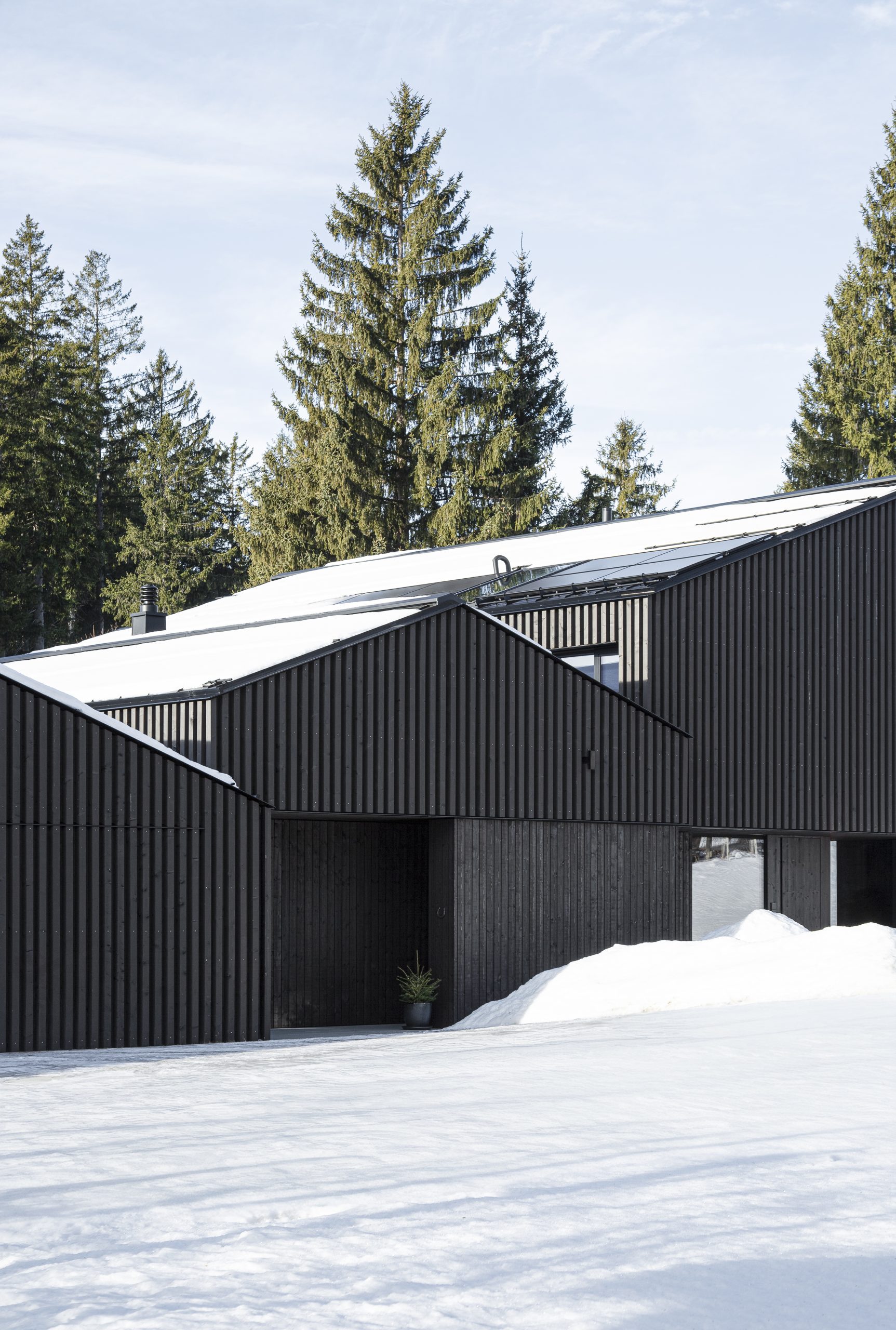
The project consists of two interlocking buildings that echo the scale and rhythm of early 20th-century Dornbirn townhouses. A four-storey structure accommodates 14 apartments and a commercial unit on the ground floor, along with communal spaces such as a workshop and a bicycle room. The buildings are connected by an open, weather-protected staircase, while a shared lift ensures accessibility throughout. Outdoor areas include a paved forecourt, a shared garden, and new tree plantings that enhance the street’s visual quality.


Flexible, high-quality living spaces
Each apartment has been designed to provide equal quality of living, featuring dual-aspect daylight, open-plan living and dining areas, and generous covered balconies. Two larger apartments face the garden, while smaller, urban-facing units line Eisengasse. The design allows for flexibility, with the option to combine two units per floor into spacious dual-aspect apartments of around 130 m². Basement parking and storage units support the functional needs of residents, complemented by barrier-free spaces and visitor parking.

Material clarity and future adaptability
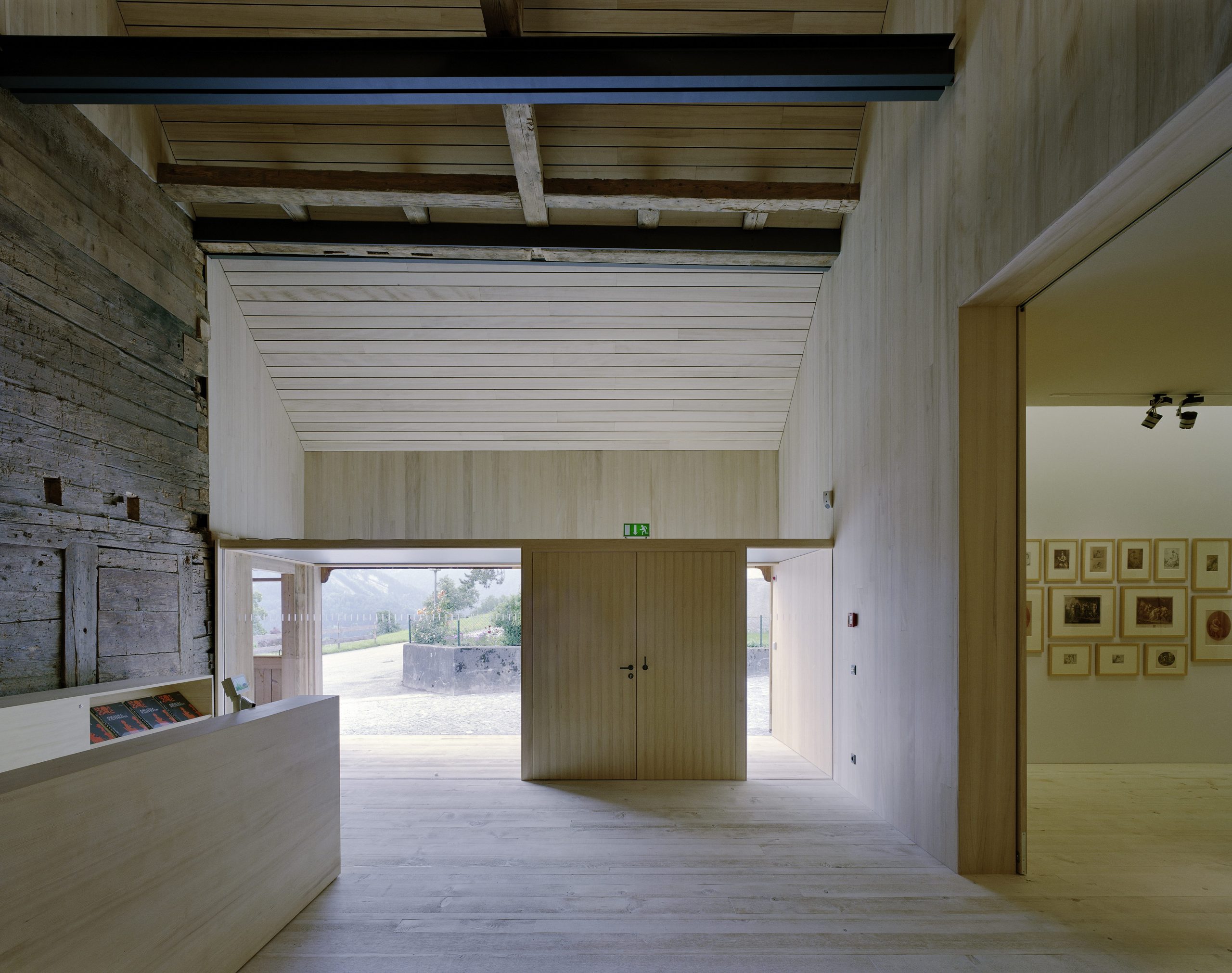
The buildings are constructed with a hybrid system combining reinforced concrete and timber-frame elements, wrapped in a ventilated spruce facade. Exposed concrete surfaces reveal the structural logic, while ash wood floors and coloured tiling add warmth and texture. This construction method not only reduces environmental impact but ensures the buildings’ long-term adaptability, responding to the growing city’s call for sustainable urban density.
Project Gallery