Location: Waidmannsbach, Lower Austria, Austria
Year: 2026
Architecture: Steinbauer
Photography: MW Architekturfotografie
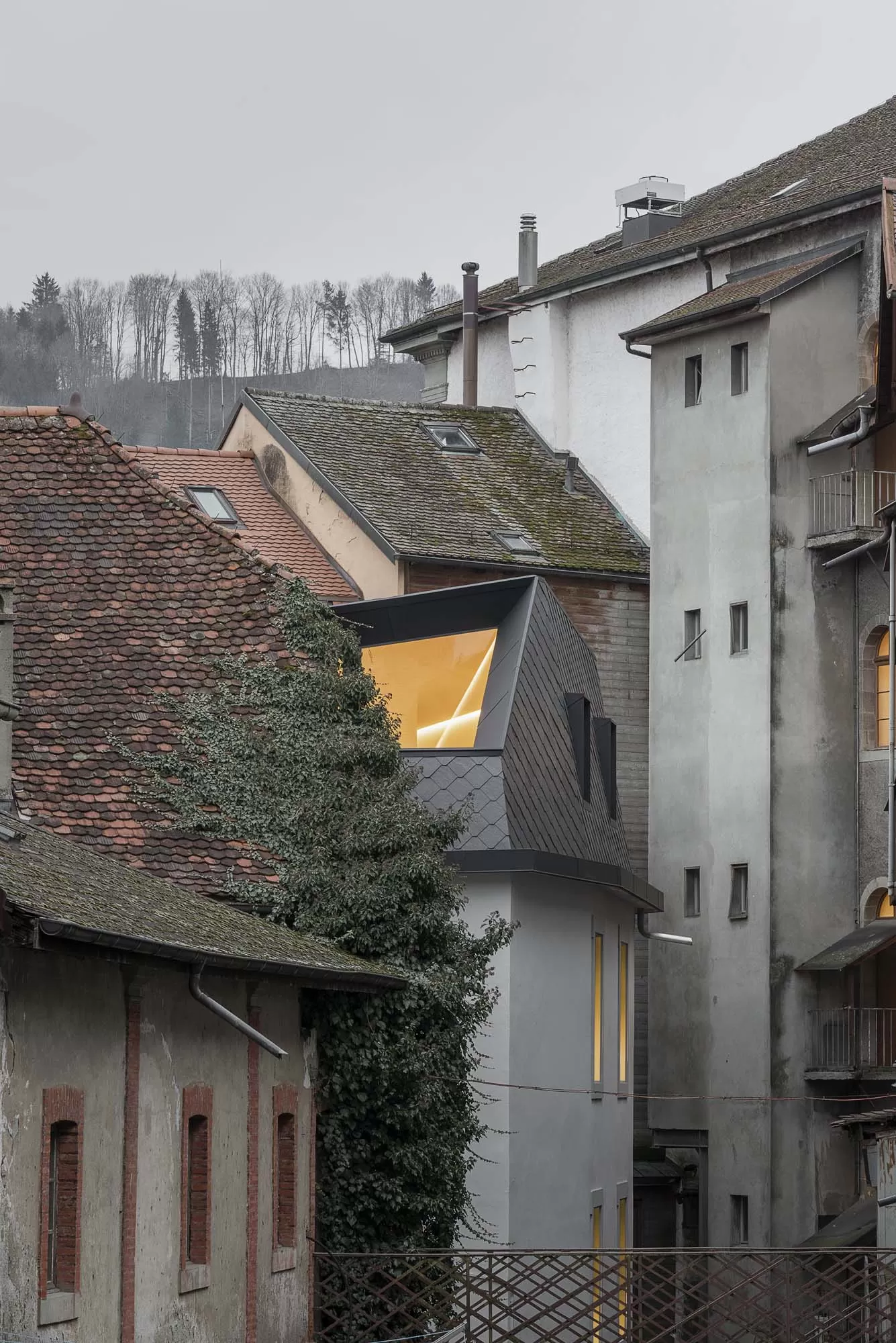
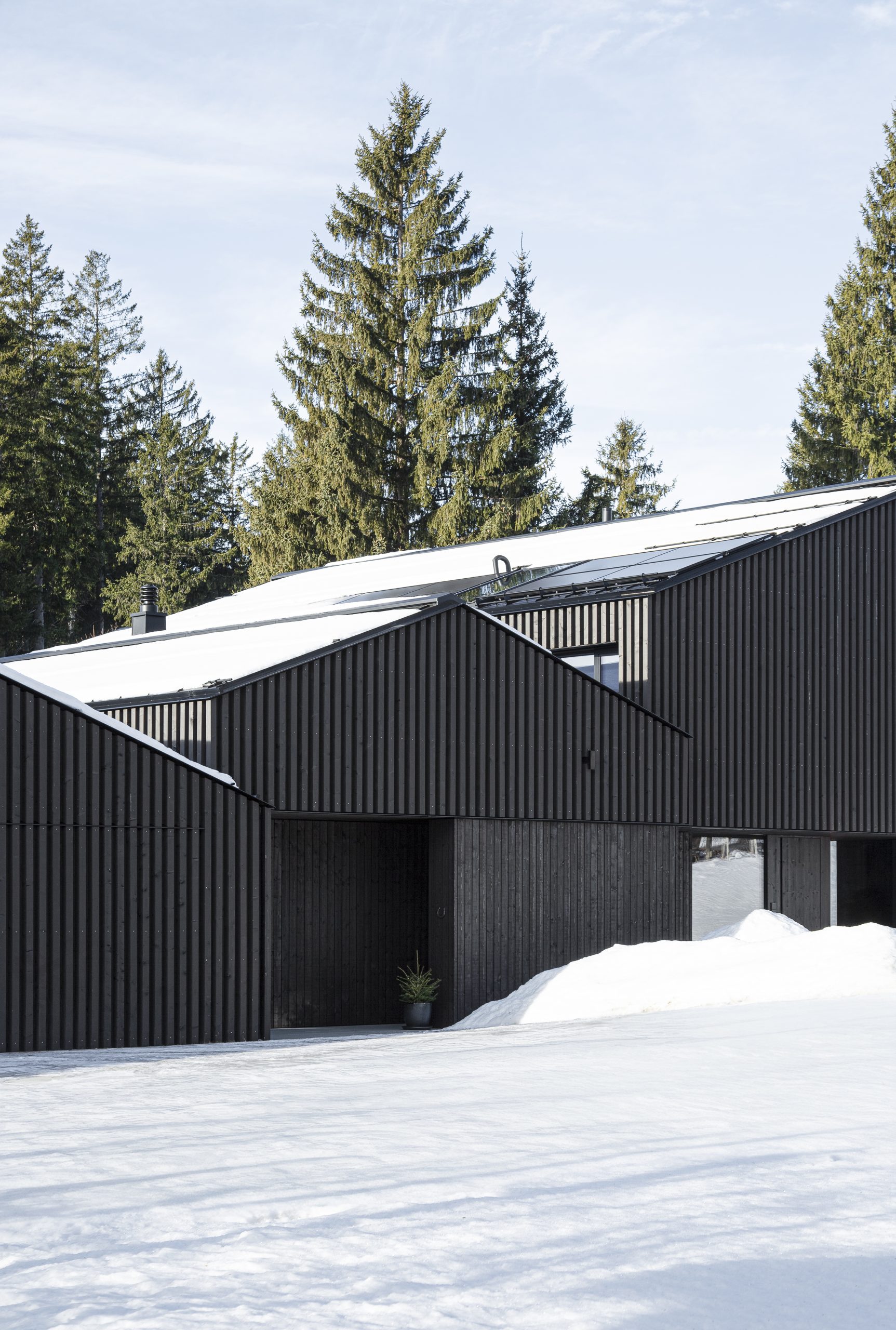
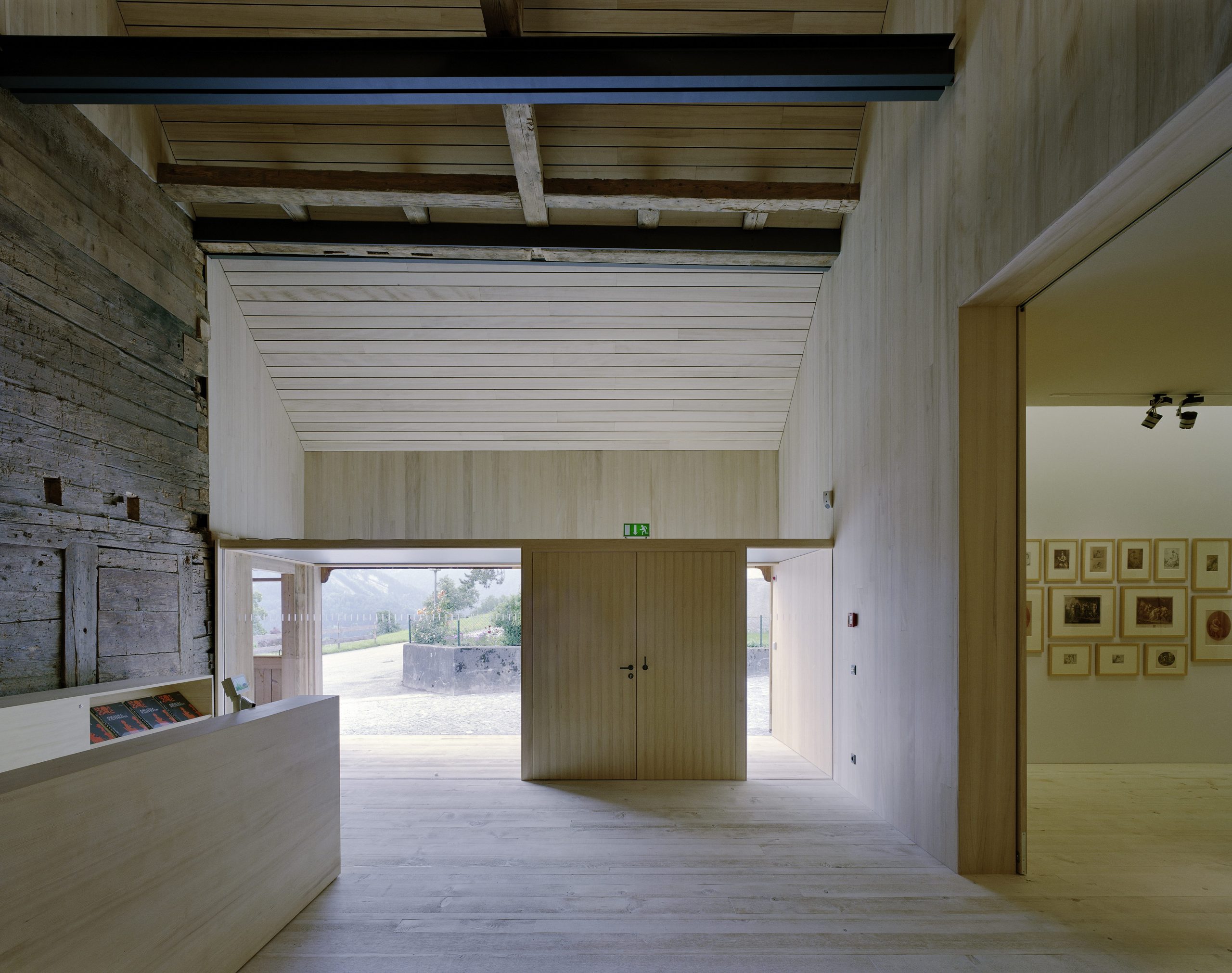
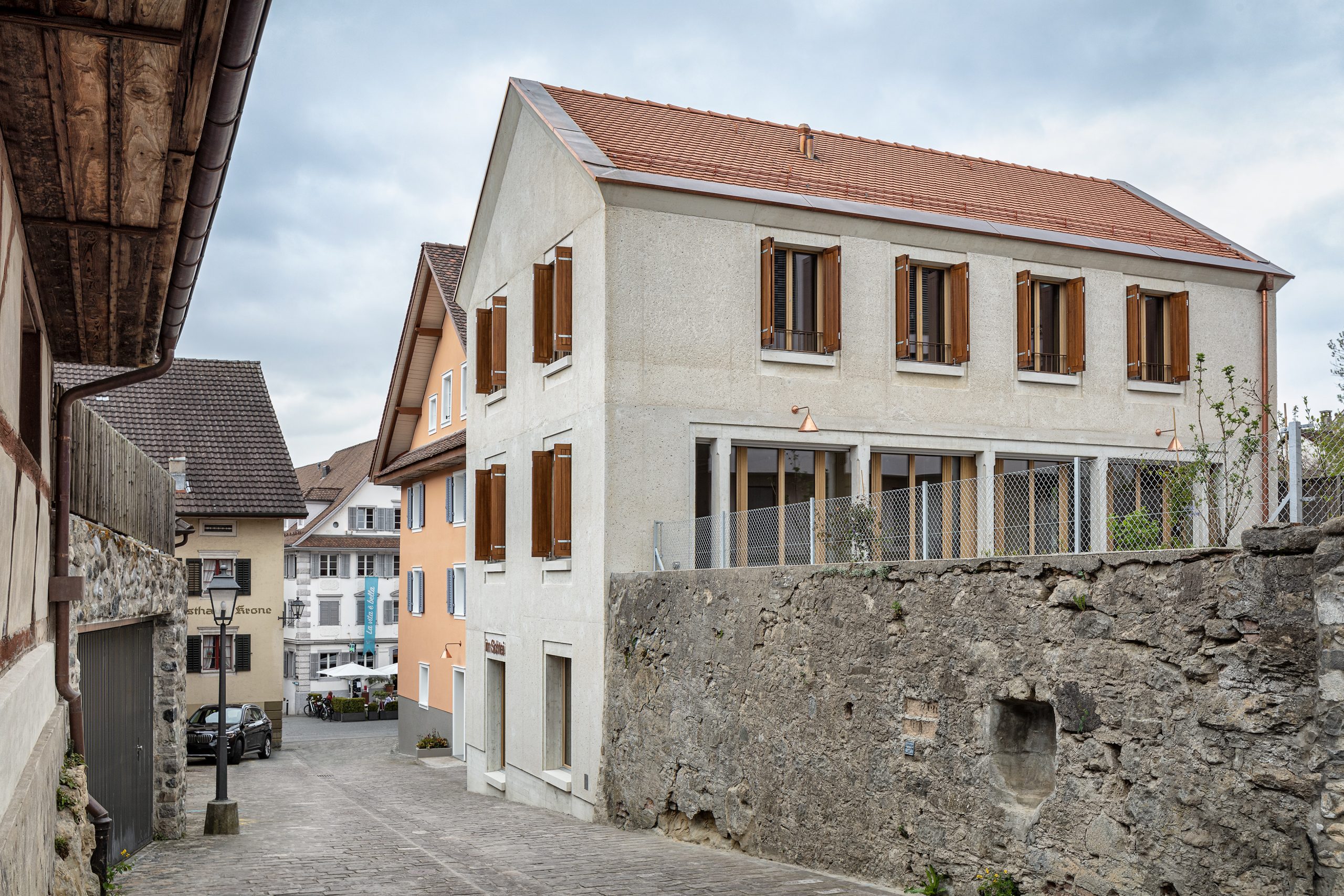
Nestled in the limestone Alps of Lower Austria, HÄUSL. is a 200-year-old farmhouse transformed through a sensitive yet radical restoration by STEINBAUER architektur+design. It shows how historic rural architecture can be preserved, protected, and quietly elevated for contemporary living without losing its soul. Explore how a small, weathered Cabin became an excellent Austrian example of careful alpine residential restoration.
Rooted in Stone and Story — A Farmhouse Older Than the Republic
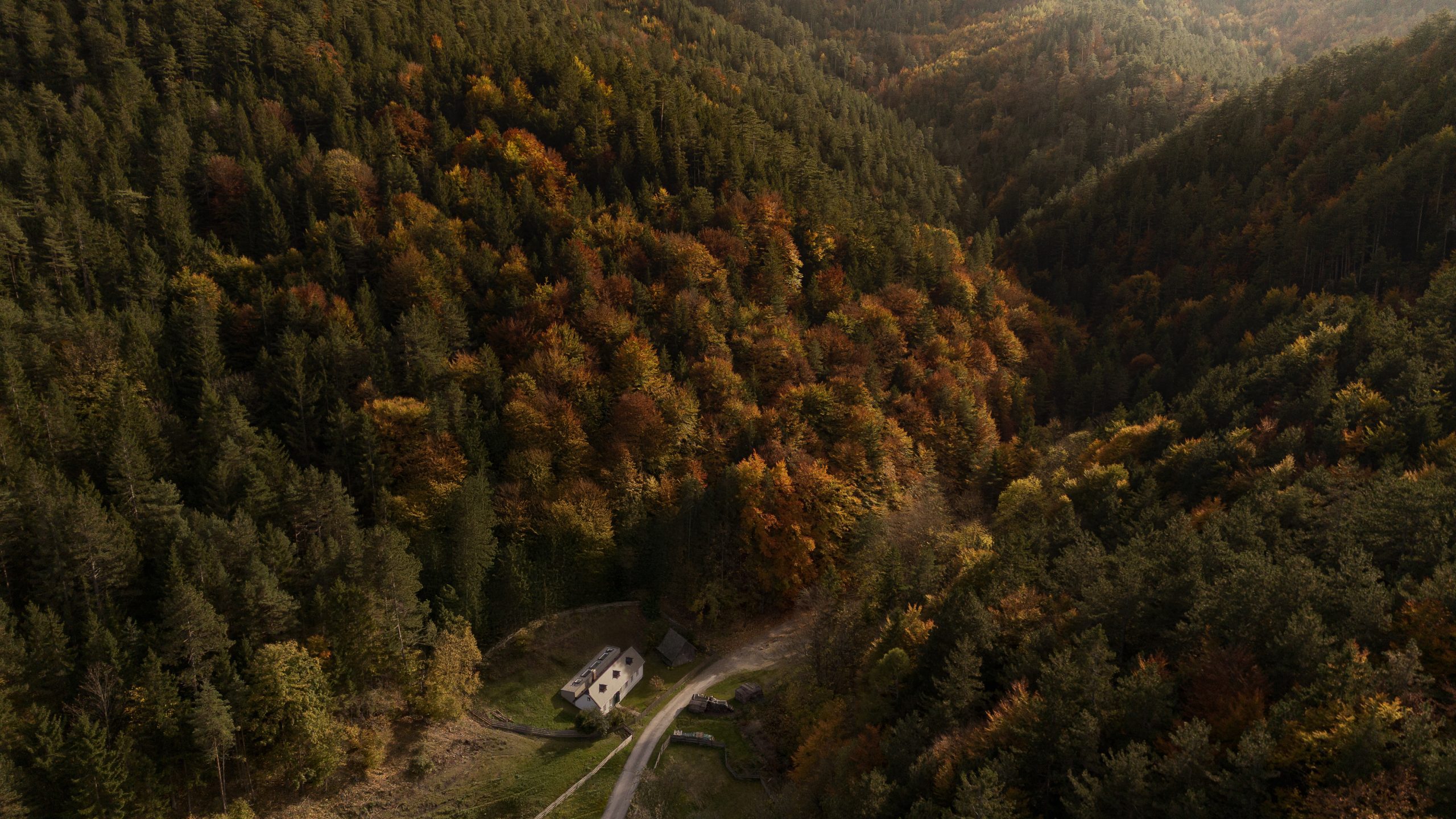
Tucked into the scattered hamlet of Waidmannsbach, deep within the alpine limestone foothills of Lower Austria, stands a small farmhouse that time has shaped as much as any architect. Its origins trace back nearly two centuries — roughly to the era when landscape painter Friedrich Gauermann, himself a native of this very region, was immortalising alpine meadows, forests and rushing streams on canvas. The setting feels as though it stepped out of one of those paintings: spruce forest pressing close, a stream threading past, and a modest whitewashed structure sitting quietly between slope and sky. Already in its third generation of family ownership, the building carries the affectionate local name HÄUSL. Simply “the little house” – a title that says everything about how it is loved.

When the Mountain Pushes Back — The Structural Challenge
Decades of well-meaning additions had taken their toll. Extensions were layered onto extensions, repair attempts accumulated, and – most critically – persistent hillside water had been undermining the structure from behind. The mountain, it turned out, had never really agreed to share the slope. What the building needed was not cosmetic intervention but a clear-eyed structural reckoning: the accumulated additions were stripped away, and what remained of the uphill longitudinal wall, compromised beyond saving, was removed entirely. The scar in the hillside between the historic fabric and the porous bedrock behind it was precisely measured – 15 metres long, 2.4 metres wide, 4.5 metres tall – and became the exact dimension of what would come next.


Old Grain, New Concrete — A Material Dialogue Across Two Centuries
The new extension does three things simultaneously: it retains the hillside, channels groundwater in a controlled manner, and adds 25 square metres of usable living area. A clearly legible joint – a deliberate architectural seam – separates old from new, and neither side pretends to be the other. In the historic structure, the palette is warm and familiar: lime-washed plaster, reclaimed spruce timber worked back to life, and burnished steel. Step through the joint into the extension, and the register shifts entirely – sandblasted concrete, black cast asphalt underfoot, polished stainless steel.
Overhead, skylights arranged with quiet precision draw light down from above, while the restored box windows on the western face bring in the afternoon. Together they ensure cross-ventilation and daylight in every room. The new kitchen joins the central Stube – the farmhouse hearth-room that has anchored alpine rural life for generations – and each of the two sleeping rooms to the north and south gains its own bathroom tucked into the hillside extension behind it.


The Architecture of Restraint — Why Less Intervening Is the Hardest Thing
What makes HÄUSL. remarkable is not what was added but what was resisted. The architects at STEINBAUER architektur+design could have smoothed over the distinction between eras, wrapped the whole in a unified material language, or pushed the footprint further into the landscape. They did none of these. The extension reads as infrastructure as much as architecture – it is first a retaining wall, then a building. The seam between old and new is not hidden but celebrated, a precise gap that makes the building’s biography legible at a glance. Planning ran from 2023 to 2024; construction from 2024 to 2026. The result is a house that remains, above all, a Häusl. – small, particular, and unmistakably of this place – while being quietly and thoroughly made fit for the next hundred years.


Project Gallery